Nepal is heading toward another crucial national election, and the political mood is already shifting. As the House of Representatives election of 2082 approaches, public debate is growing louder, especially around leadership, accountability, and the future direction of the country.
At the center of this discussion is a possible face-off between Balendra Shah (Balen) and KP Sharma Oli. Balen, known for his rise as an independent mayor and his strong appeal among young voters, represents a new style of politics that challenges the traditional system. On the other side stands KP Sharma Oli, a long-time national leader and former prime minister, backed by decades of party politics and organizational strength.
This potential contest has captured national attention because it goes beyond one election or one seat. It reflects a larger question many Nepalis are asking today: should the country continue with experienced but familiar leadership, or is it time to trust a new generation with power? The 2082 election is increasingly being seen as a symbolic battle between the new generation and the old guard, making it one of the most closely watched political moments in recent years.
KP Oli vs Balen Shah – Live Vote Poll 2082
Share your opinion in Nepal’s most talked-about political matchup. Vote live and see real-time results from people across the country.
Who Is Balen (Balendra Shah)?
Balendra Shah, widely known as Balen, is a structural engineer, musician, and politician who rose to national prominence after winning the Kathmandu Metropolitan City mayoral election as an independent candidate.

1. Background
Balen is trained as a structural engineer and is also known in popular culture as a rapper and artist. Before entering mainstream politics, he built public recognition through music and social commentary, especially among young urban audiences. His professional background outside traditional party politics helped shape his image as a non-establishment figure.
2. Political Rise
Balen entered formal politics during the 2022 local elections, where he contested the Kathmandu mayoral race as an independent candidate. He won with significant support from youth and first-time voters, defeating candidates from major established parties. His victory was widely seen as a signal of public frustration with conventional political leadership.
After his mayoral win, Balen’s national political relevance increased rapidly. He later aligned himself with broader national politics and became associated with the Rastriya Swatantra Party (RSP), a party known for promoting alternative leadership and reform-focused politics.
3. Political Image and Public Appeal
Balen is often viewed as a fresh political face, particularly popular among Gen-Z and urban voters. His direct communication style, frequent public statements, and visible actions as mayor strengthened his reputation as a leader who challenges political norms.
He is also known for his strong anti-corruption messaging and open criticism of long-established political parties, which has earned him both strong supporters and vocal critics. To many voters, Balen represents a shift toward issue-based leadership rather than traditional party loyalty.
Who Is KP Sharma Oli?
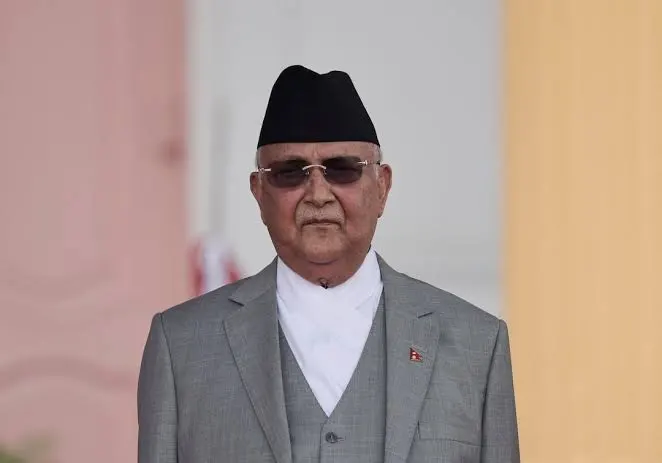
KP Sharma Oli is a veteran Nepali politician, former Prime Minister, and the long-time chair of the Communist Party of Nepal (Unified Marxist–Leninist), commonly known as CPN-UML.
1. Background
KP Sharma Oli has been active in Nepali politics for several decades and is one of the most influential leaders in the country’s modern political history. As the chair of CPN-UML, he represents the traditional left political establishment and has played a major role in shaping national politics after Nepal became a federal republic.
2. Political Career
Oli has served as Prime Minister of Nepal multiple times, leading governments during critical political and economic periods. He has also been elected as a Member of Parliament from Jhapa-5, a constituency widely regarded as a stronghold of the UML party.
Throughout his career, Oli has been known for his strong nationalist rhetoric and firm leadership style. At the same time, his tenure as prime minister has faced controversies, public protests, and political instability, which have influenced public opinion both in his favor and against him.
3. Party Support and Voter Base
KP Sharma Oli’s main strength lies in his deep party organization. He enjoys strong backing from traditional party cadres, long-time UML supporters, and voters in rural and semi-urban areas. Older voters and loyal party workers often see him as an experienced leader capable of navigating complex political systems.
For many supporters, Oli represents stability and experience, while for critics, he symbolizes old-style politics, making him a central figure in the broader debate about Nepal’s political future.
The Clash in Jhapa-5: A High-Profile Battlefield
Jhapa-5 is KP Sharma Oli’s political stronghold, and Balen’s decision to contest here turns the election into a symbolic fight rather than a safe political move.
1. Why Jhapa-5 Matters
Jhapa-5 has long been associated with KP Sharma Oli’s political career. He has represented this constituency for decades and won multiple elections here, making it one of the most reliable seats for the CPN-UML. Except for a brief interruption in 2008, the area has consistently backed Oli, giving him both emotional and organizational strength on the ground.
Because of this history, Jhapa-5 is not just another constituency. It represents legacy, loyalty, and party dominance, especially for UML supporters.
2. Balen’s Unusual Choice
Instead of choosing an urban or relatively safer seat, Balen chose to challenge Oli on his home turf. This decision surprised many observers because Jhapa-5 does not naturally align with Balen’s strongest voter base. However, the move signals that Balen is aiming for more than just a parliamentary seat.
3. Strategic Calculations on Both Sides
For KP Sharma Oli, the goal is clear: defend his bastion and prove that traditional party networks still matter in Nepali politics. A win in Jhapa-5 would reaffirm his authority within the party and among long-time supporters.
For Balen, the contest is both symbolic and practical. Defeating a heavyweight leader like Oli in his own constituency would send a powerful national message about political change. Even contesting strongly in Jhapa-5 positions Balen as a serious national challenger rather than a limited urban figure.
This is why the Jhapa-5 race is being watched closely, not just for who wins the seat, but for what it represents about Nepal’s political direction.
Strengths and Weaknesses — Balen (Balendra Shah)
Balen’s biggest strength is his connection with young and urban voters, while his main challenge lies in limited rural networks and a lack of long-term national political experience.

1. Strengths
One of Balen’s strongest advantages is his youth appeal and image as a new-generation leader. He resonates strongly with urban voters, first-time voters, and Gen-Z, many of whom feel disconnected from traditional political parties. His rise reflects a broader demand for change in leadership style and accountability.
Balen is also highly effective in media and social media communication. His direct messaging, visibility, and ability to set political narratives online help him stay relevant and influential, especially among digitally active voters. This has strengthened his anti-corruption image and reinforced his reputation as a leader who challenges established political norms.
Another important factor is his association with the Rastriya Swatantra Party (RSP). While he initially rose as an independent figure, RSP provides him with party branding, organizational support, and a national platform, which are crucial in parliamentary elections.
Balen is further seen as a results-oriented leader due to his tenure as Kathmandu mayor. Supporters often point to visible actions and enforcement-driven governance as proof of his ability to move beyond promises into execution.
2. Weaknesses
Despite his popularity, Balen faces limited grassroots organization in rural constituencies like Jhapa-5. Unlike traditional parties, his support base is still more concentrated in urban centers, making rural outreach a significant challenge.
He is also relatively new to national electoral politics. Compared to seasoned leaders like KP Sharma Oli, Balen lacks long-term experience in parliamentary negotiations, coalition-building, and national-level governance.
Another major risk is his choice of constituency. Contesting from Jhapa-5, a long-standing UML stronghold, raises the difficulty level significantly. Even a strong national image may not easily overcome decades of party loyalty and local networks.
Finally, his confrontational and outspoken style can be a double-edged sword. While it attracts supporters who value blunt leadership, it may alienate moderate or undecided voters who prefer consensus-driven politics.
Strengths and Weaknesses — KP Sharma Oli
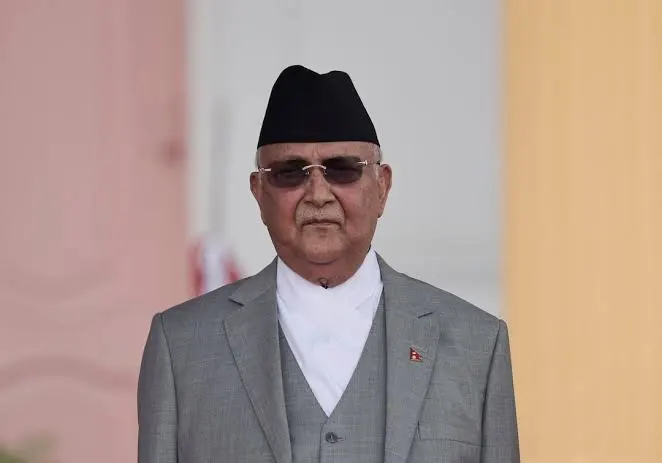
KP Sharma Oli’s strength lies in his experience and party machinery, while his weaknesses stem from public fatigue with long-term leadership and past controversies.
1. Strengths
KP Sharma Oli has deep organizational roots within the CPN-UML, one of Nepal’s most structured and disciplined political parties. In constituencies like Jhapa-5, he benefits from loyal party cadres, long-standing voter relationships, and a well-established grassroots network that is difficult to challenge.
His experience as a former prime minister is another major strength. Oli has led the country during key political phases, giving him strong familiarity with state institutions, bureaucracy, and national decision-making. Supporters see him as a seasoned political strategist who understands power dynamics, coalition politics, and governance at the highest level.
Oli is also known for his strong political messaging and nationalist rhetoric, which continues to resonate with a section of voters who value firmness and continuity in leadership.
2. Weaknesses
At the same time, Oli faces growing criticism due to the perception of old-style politics. Many voters, especially younger ones, associate him with traditional power-centered leadership rather than reform-driven governance.
He is also closely linked to past political controversies, frequent government changes, and internal party conflicts, which have contributed to public frustration and political instability. These issues have weakened trust among undecided and urban voters.
Oli’s resignation after nationwide protests further affected his broader appeal, particularly among citizens concerned about democratic freedoms and accountability. For some voters, this episode reinforced the image of leadership disconnected from public sentiment.
Another challenge is declining appeal among youth and first-time voters, who are increasingly drawn to alternative political figures and movements. While his core base remains strong, expanding beyond it has become more difficult over time.
Finally, Oli’s leadership style is often described as centralized and confrontational, which can limit coalition flexibility and alienate potential allies in a fragmented political landscape.
Together, these strengths and weaknesses make KP Sharma Oli a powerful yet polarizing figure in Nepal’s evolving political scene.
Public Sentiment and What Voters Are Saying
Public opinion is divided, with urban youth largely backing change, while Jhapa voters remain split between loyalty and curiosity about new leadership.
1. Urban Youth Perspective
In major cities and online spaces, urban youth and first-time voters often express support for Balen. For this group, he represents a cultural and political shift away from traditional leadership. Many see him as relatable, direct, and willing to challenge systems that they feel have failed to deliver jobs, transparency, and accountability. His communication style and public visibility resonate strongly with this demographic.
2. Voices from Jhapa
Sentiment in Jhapa-5 is more mixed. Some local voters show openness to change, especially younger residents and those dissatisfied with long-standing political dominance. However, a significant portion of voters remain loyal to KP Sharma Oli, citing his long association with the constituency, development claims, and personal connection with party cadres. For many, trust built over decades still outweighs the appeal of new leadership.
3. Online and Public Discourse
Across social media, news comment sections, and public forums, discussions reflect a blend of optimism and skepticism. Supporters of Balen highlight the need for political renewal, while critics question his ability to win in a traditional stronghold like Jhapa. At the same time, Oli’s supporters defend experience and stability, while critics argue that repeated leadership has not produced meaningful change.
Overall, public sentiment shows a country debating its political direction, making this contest as much about ideas and expectations as about individual candidates.
Key Factors That Will Decide the Outcome
The result will depend on ground-level campaigning, who turns out to vote, and how smaller parties and alliances influence the final numbers.
1. Campaign Groundwork
One major deciding factor will be on-the-ground campaigning. Traditional door-to-door outreach, local meetings, and party mobilization remain highly effective in constituencies like Jhapa-5. While social media buzz helps shape national narratives and influence young voters, it does not always translate directly into votes without physical presence and local organization.
The candidate who balances digital visibility with consistent grassroots engagement is likely to gain an advantage.
2. Voter Turnout Patterns
Voter turnout could significantly shape the outcome. Higher participation from youth and first-time voters may benefit candidates associated with change and reform. On the other hand, traditional voters, who are more consistent in showing up on election day, often favor established parties with long-standing loyalty.
A gap between online enthusiasm and actual voting behavior could prove decisive.
3. Role of Coalitions and Smaller Parties
Nepal’s electoral landscape is highly competitive, and smaller parties and local alliances can influence results by splitting or consolidating votes. Even without direct victories, these groups can shift margins, indirectly strengthening or weakening leading candidates.
Post-election coalition possibilities also affect voter strategy, as some voters consider not just individual candidates, but which alliances are likely to form the next government.
Together, these factors highlight why the outcome is uncertain and why this contest is being watched so closely.
Who Will Win: KP Oli or Balen in the 2082 Election?
Looking at the current situation, Balen is likely to win by a few thousand votes in Jhapa-5. Oli has loyal supporters, but Balen’s popularity with young people, first-time voters, and those wanting change gives him an edge.
Deep Analysis:
- Youth Support: Balen is very popular among young voters who are excited to see new leadership. They are active online and attending campaign events.
- Old vs New: Oli has a strong party network, but many voters now want fresh ideas and a different style of leadership.
- Campaign Work: Balen’s team is doing both door-to-door campaigning and online outreach, helping him reach more voters than just relying on social media or old networks.
- Small Differences Matter: Even a small number of undecided voters can decide the winner. Current trends show that Balen may get just enough support to win.
In short, it’s a close race, but Balen looks set to win by a small margin, which could signal a big change in Nepali politics.
Conclusion
The battle between Balen and KP Oli is about more than just one seat in Jhapa-5. It represents a choice between old-style politics and a new generation of leaders.
This election gives Nepalis a chance to think about the kind of leadership the country needs whether it’s experience and tradition or fresh ideas and change. The results here could shape Nepal’s political future and show which direction voters want the country to take.
FAQs
- Who are the main candidates in Jhapa-5 for Election 2082?
The main candidates are Balen (Balendra Shah) from the Rastriya Swatantra Party and KP Sharma Oli from the CPN-UML. - Why is the Jhapa-5 seat important?
Jhapa-5 is Oli’s long-time stronghold, and winning here is both symbolic and politically important for national leadership. - What makes Balen popular among voters?
Balen is popular for his youth appeal, anti-corruption stance, and fresh leadership style, which attracts young and first-time voters. - What are KP Oli’s main strengths?
Oli’s strengths include experience as a former prime minister, a strong party network, and loyal voters in Jhapa-5. - What are the main challenges for Balen in this election?
Balen faces limited rural support, less national political experience, and the challenge of running in Oli’s stronghold. - What challenges does Oli face?
Oli faces public fatigue with old-style politics, past controversies, and weaker appeal among young voters. - How could voter turnout affect the results?
High turnout among youth and first-time voters could favor Balen, while consistent turnout from traditional voters may favor Oli. - Could smaller parties influence the election outcome?
Yes, smaller parties and local alliances can shift votes toward or away from the main candidates, impacting the final result. - What does this election mean for Nepal’s political future?
The contest reflects a choice between traditional leadership and new-generation politics, showing how Nepalis want the country to move forward.